★ The problem
Why North Texas foundations move
Almost every home around Burleson and Fort Worth sits on expansive clay. It swells when it is wet and shrinks when it dries, and that constant push and pull is what lifts and drops a foundation through the seasons. Add a dry summer, a big tree close to the house, or a downspout draining against the slab, and one part of the foundation moves more than the rest.
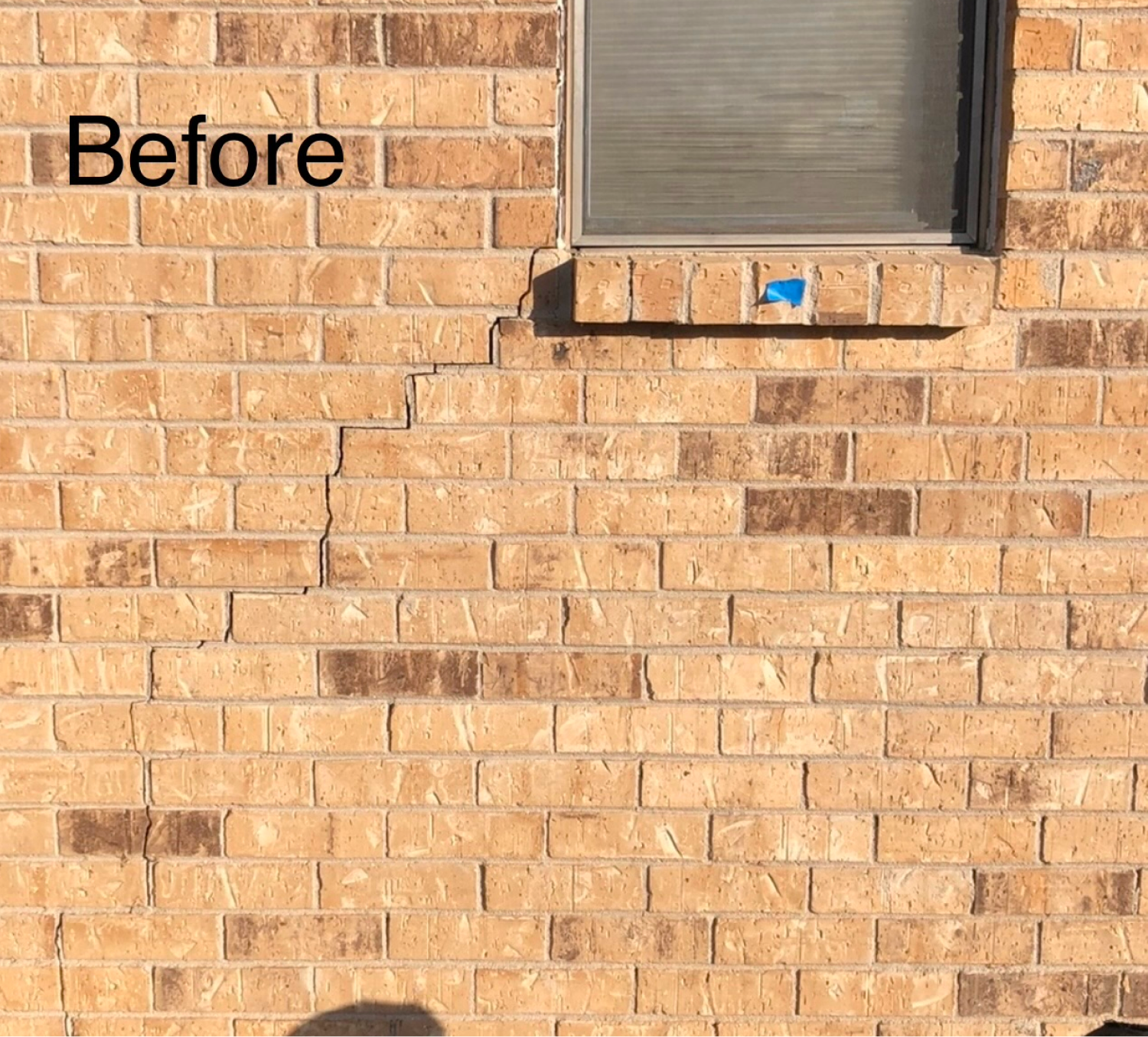
You see it as stair-step cracks in the brick, cracks in the sheetrock above doors and windows, doors and windows that stick, gaps where the trim meets the wall, and floors that feel like they slope. When a foundation begins to fail you should address it promptly. Waiting lets the movement damage plumbing, sheetrock, and the rest of the house, which only makes the repair larger.
★ The soil science
How foundations fail in North Texas
The house is rarely the first thing to fail. The ground under it moves first. Here is the mechanism, step by step.
- 1
Expansive clay
Most of Burleson, Fort Worth and the surrounding metroplex sits on expansive clay, the same shrink-swell soils (vertisols) that run from north of Dallas down past San Antonio. The higher a clay’s plasticity index, the more it moves when its moisture changes.
- 2
The shrink-swell cycle
Wet winters and spring rain swell the clay and push the foundation up. A hot Texas summer or drought pulls that water back out, the clay shrinks, and the ground drops. Every year the soil under your slab breathes in and out.
- 3
Differential movement
The edges of a slab dry out faster than the protected center, and a thirsty tree or a leaking line dries one corner more than the rest. A foundation can ride uniform movement. It is this uneven movement that bends the slab until brick, sheetrock and door frames crack.
Expansive soils are the leading cause of foundation distress across North Texas. The Dual-Pier System answers that movement by reaching past the active clay to stable bearing strata that does not shift with the weather.
★ The Dual-Pier System
How an A-Custom foundation repair works
The Dual-Pier System has the highest load-bearing capacity of any pier we install. It places double support under the foundation beam, and the concrete cylinders will not rust or break down over time.
- 1
Base Cylinder Installation
A concrete cylinder is installed at the bottom of the hole under the foundation.
- 2
Excavation & Access
We start by digging holes around the perimeter of your foundation approximately every six feet to allow entrance to the underside of your foundation. Each hole is around 24 by 24-inches in size and will go down about 3 to 4-feet below the base of your foundation.
- 3
Hydraulic Ram Placement
A hydraulic ram is installed on top of the cylinder. The top of the ram is situated at the bottom of the foundation.
- 4
Pier Construction
Cylinders are hydraulically pressed into the ground using the weight of the home. The cylinder is placed beneath the foundation on top of the previous, forming a continuous pier.
- 5
Dual-Pier Formation
The second set of cylinders is pushed into the earth around 12-inches apart from the first set, creating the A-Custom Dual-Pier System.
- 6
Reaching Stable Ground
Dual piers are pressed into the earth at each section through the unstable soil, compressed soil, clay, and shale formations until the piers reach solid sub-strata or bedrock.
- 7
Foundation Lifting
Hydraulic jacks are then installed on top of the piers and used to lift the foundation. Multiple hydraulic jacks simultaneously lift the foundation, causing less stress on the foundation and home.
- 8
Leveling Completion
Once the foundation is delicately lifted and leveled, the hydraulic jacks are replaced with concrete cylinders.
- 9
Foundation Restored
Your home is now re-leveled to like-new condition.
- 10
Landscape Restoration
Your lawn, shrubs, and landscaping are replaced to original conditions.
★ Compare the methods
Dual-Pier vs. steel piers vs. slab jacking
Not every repair method reaches the soil that is actually moving. Here is how the three common approaches compare.
| Dual-Pier SystemWhat we install | Steel piers | Slab jacking | |
|---|---|---|---|
| How it works | Two concrete cylinders driven twelve inches apart down to solid strata, doubling the support under the beam | A single steel pipe driven down to load-bearing soil or refusal | Grout or polyurethane foam injected under the slab to fill voids and float it back up |
| Reaches stable soil below the active clay | Yes, past the shrink-swell zone | Yes, depends on depth to refusal | No, works at the surface only |
| Load-bearing capacity | Highest of any pier we install | Good, but a single point of support | Lowest, it lifts rather than underpins |
| Best suited to | Settling homes and buildings on expansive clay | Structures with shallow bedrock | Voids, light slabs, walkways and patios |
| Warranty | Lifetime, transferable | Varies by installer | Typically short |
“The dual-pier system is by far the most structurally sound foundation repair system when compared to steel piers, cable-lock or any other foundation repair system.”
★ Proof, not promises
Real repairs, before and after
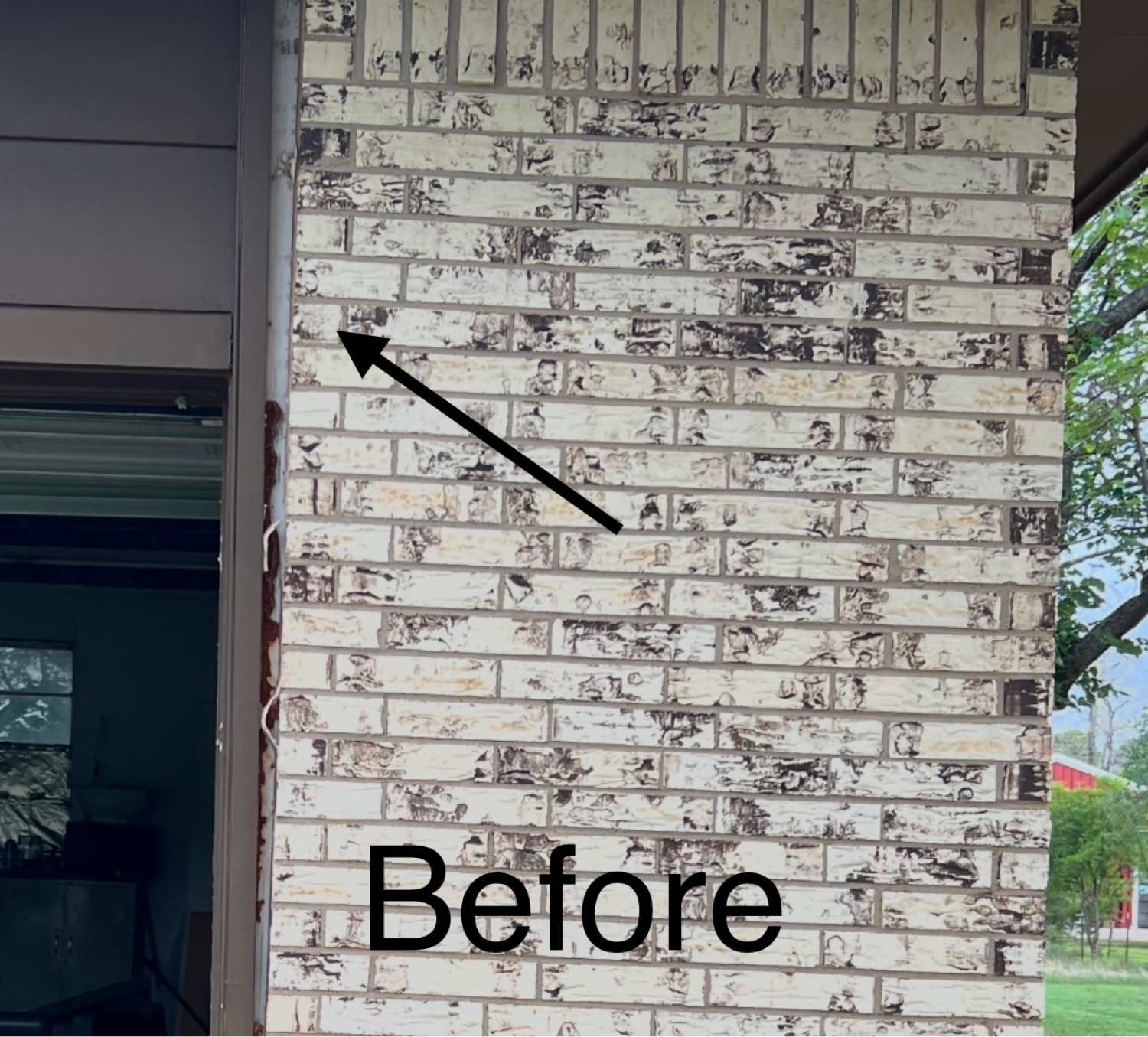
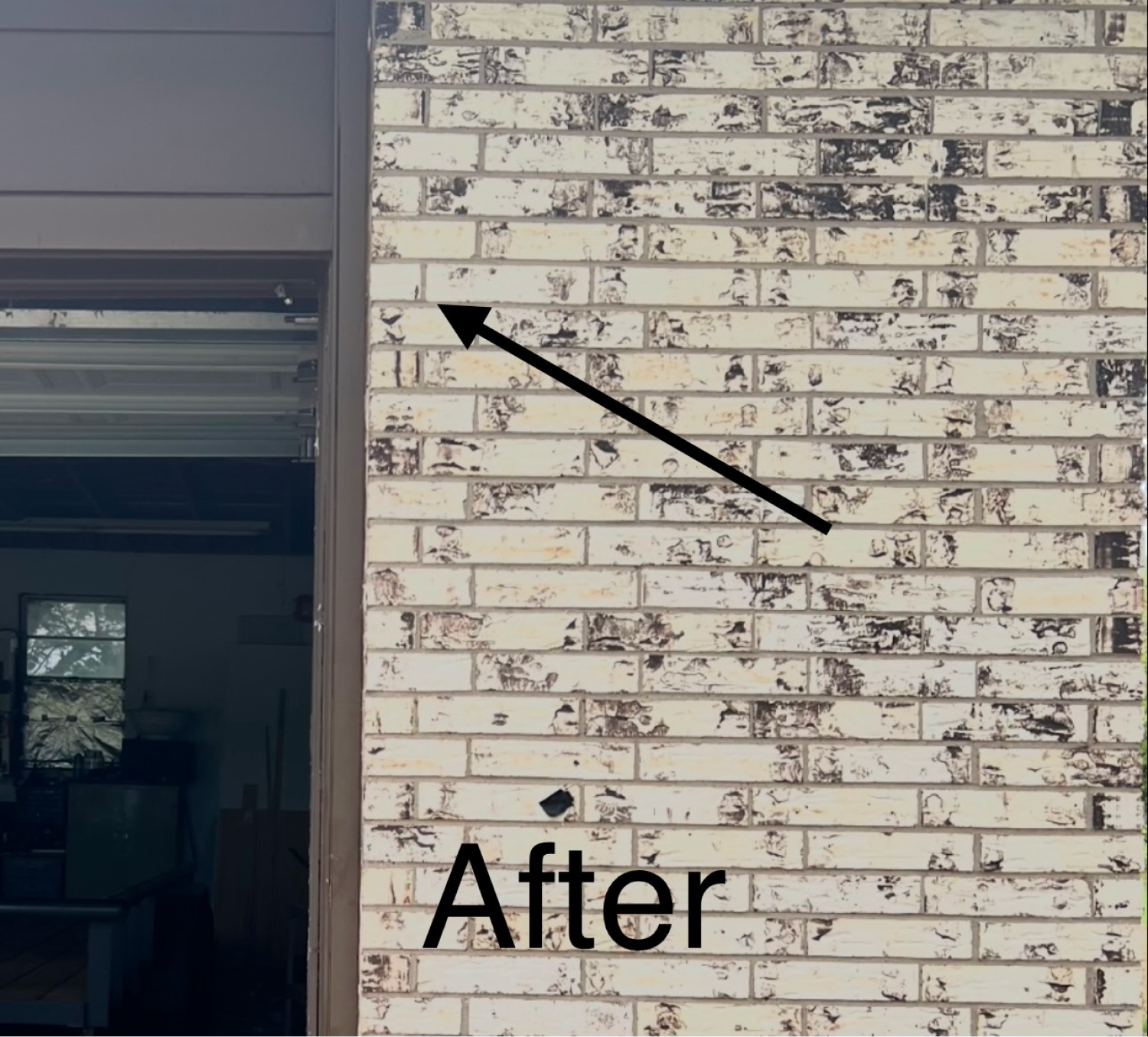
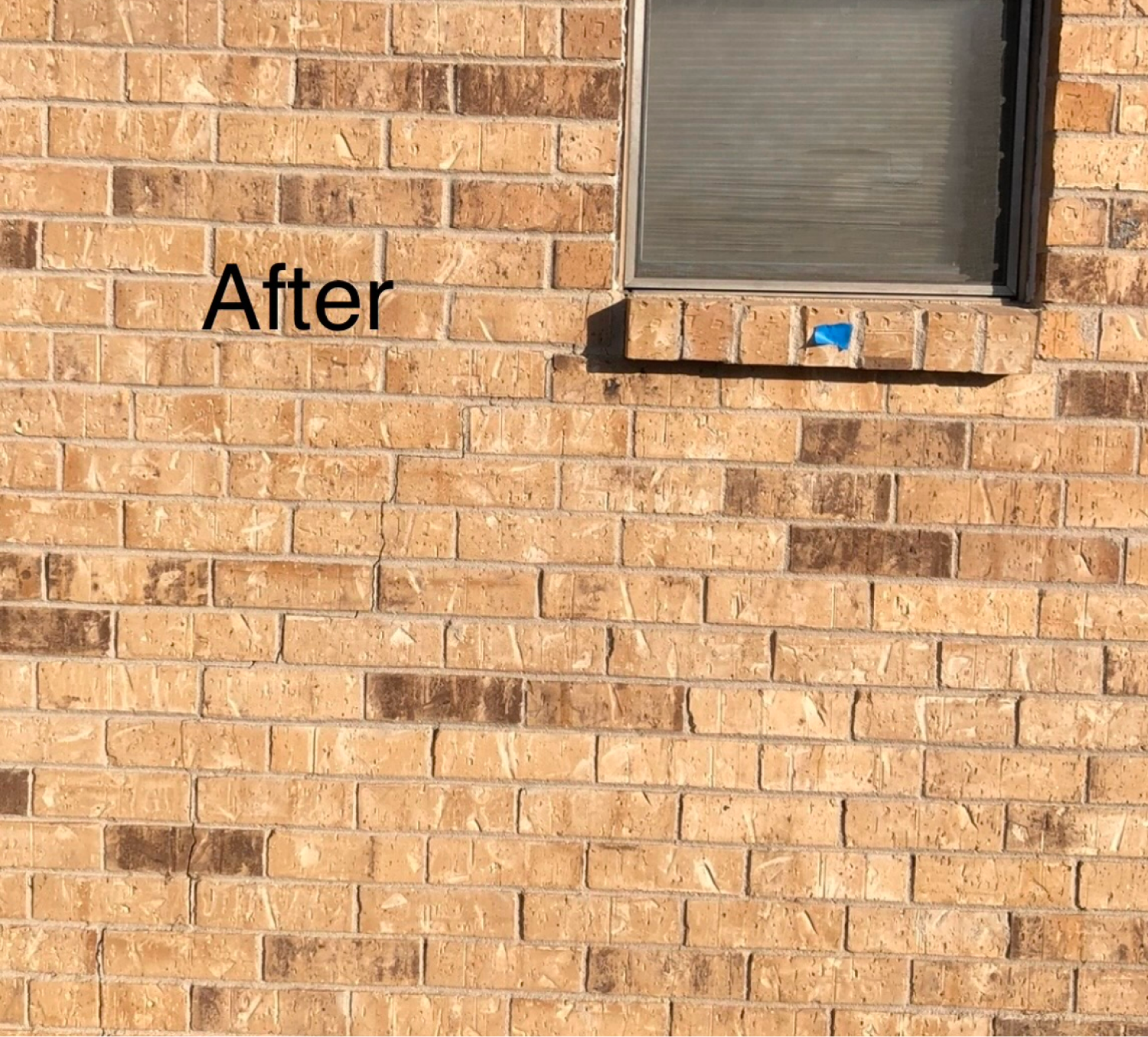
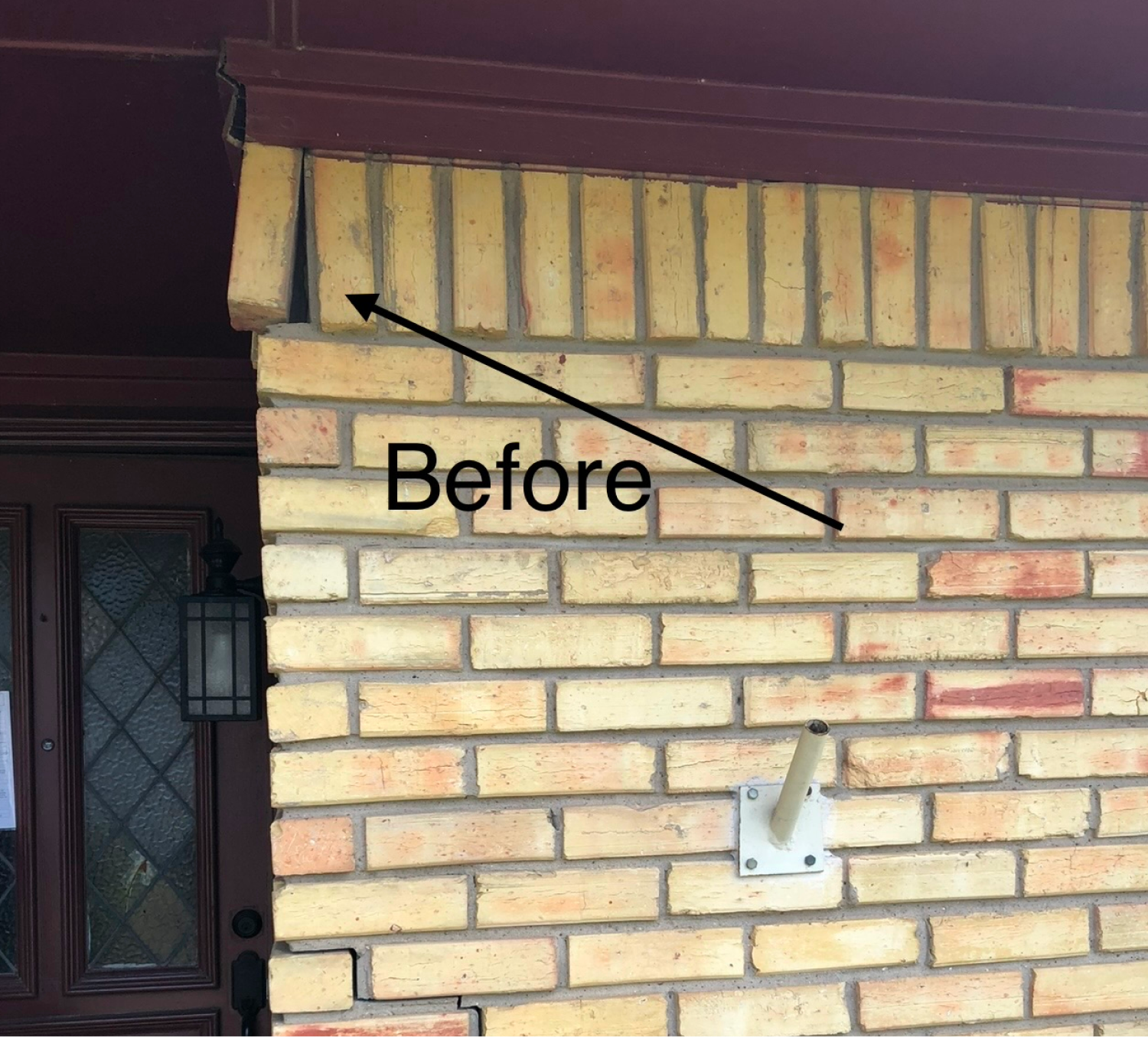
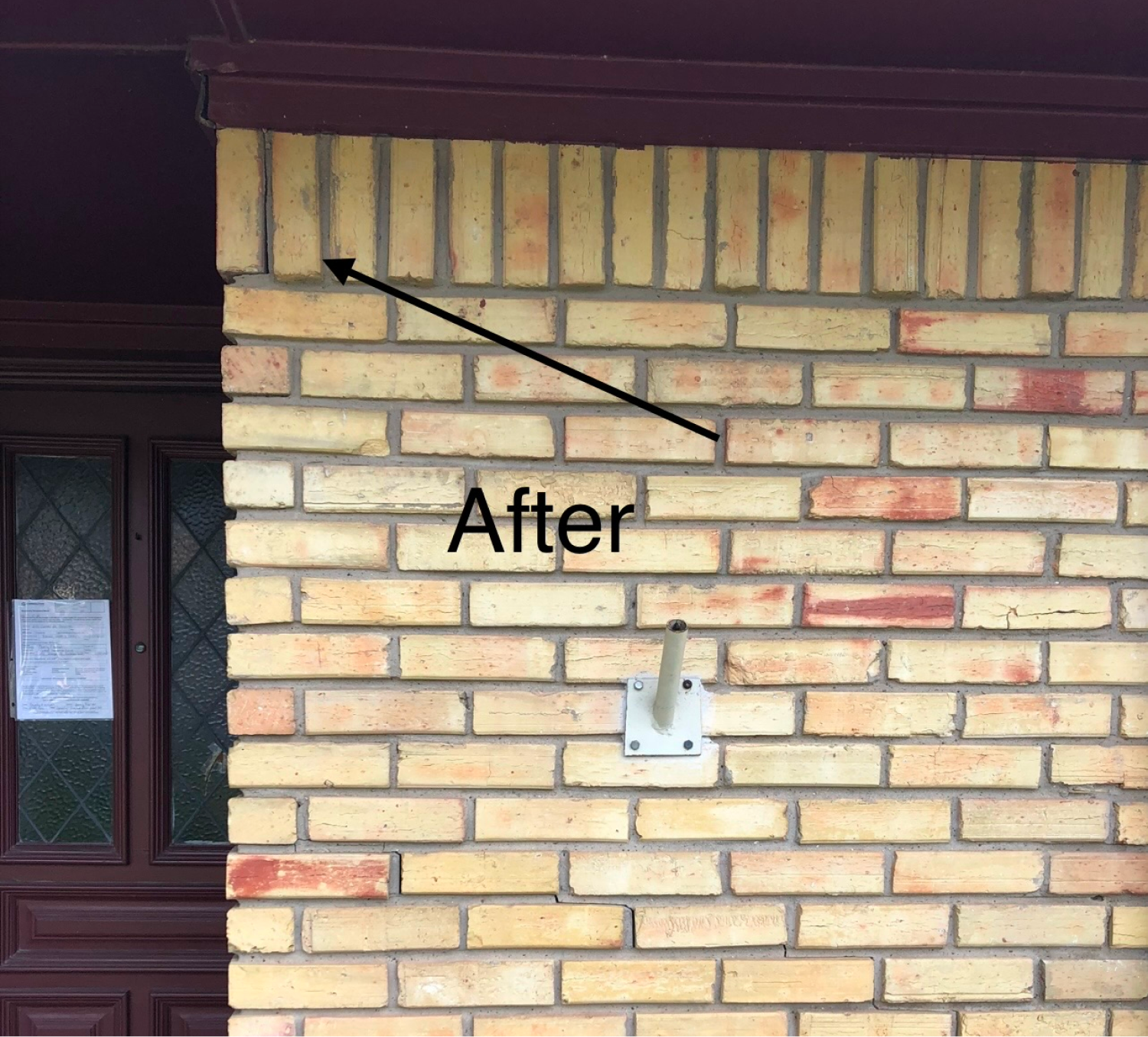
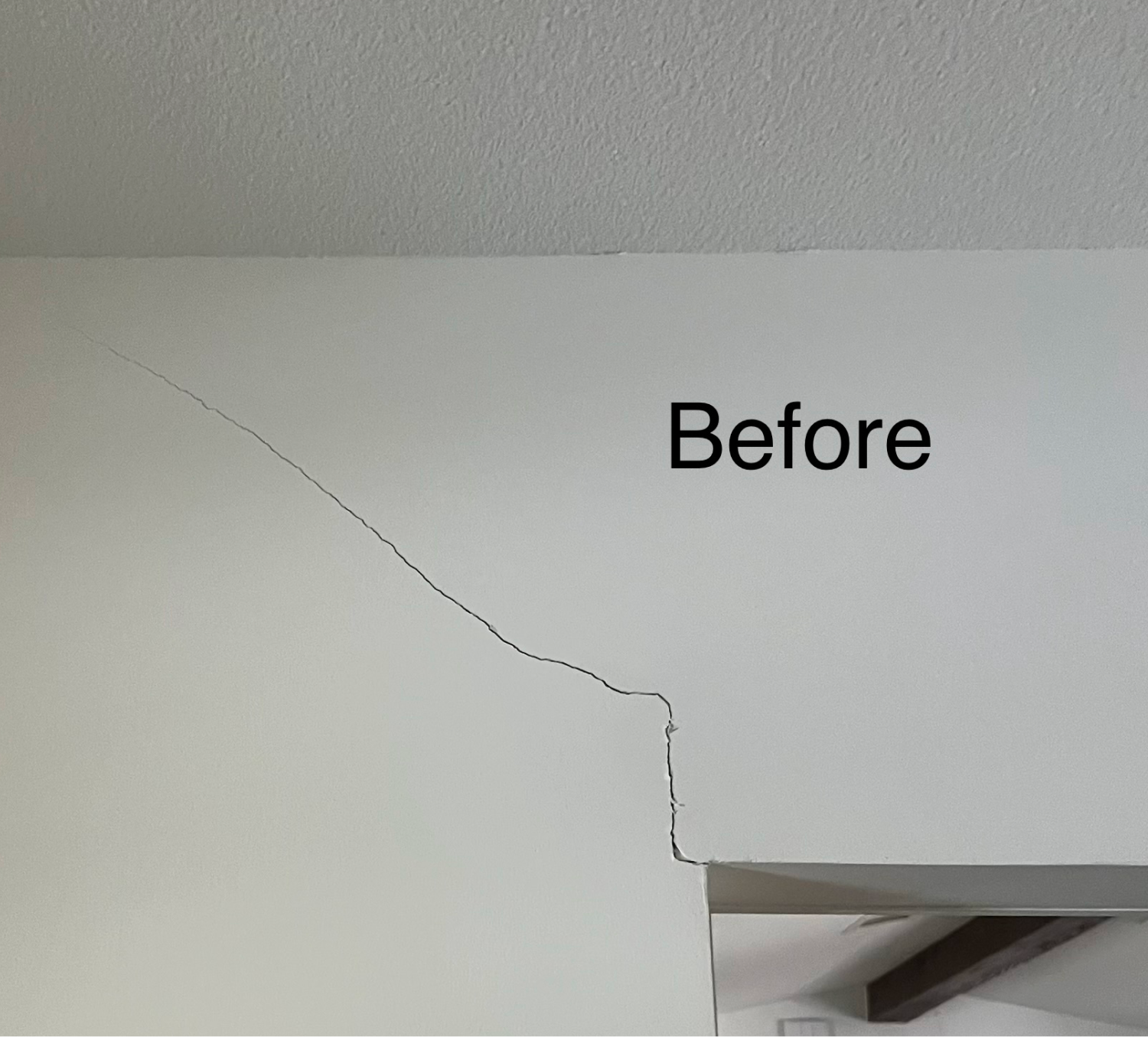
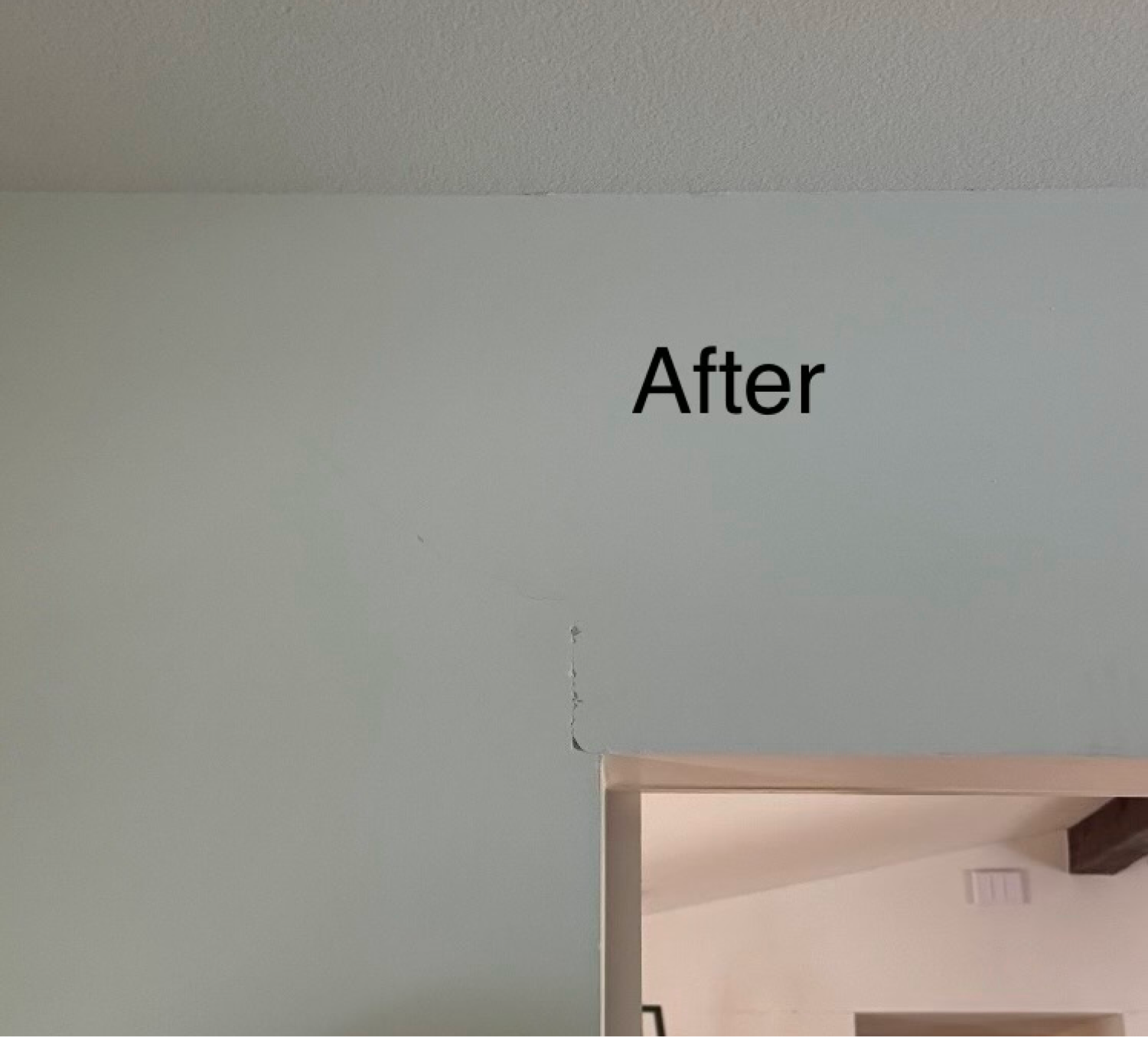
Cracked brick, separated corners, and split sheetrock are the visible signs of a moving foundation. Here is the same work, before we arrived and after the Dual-Pier System went in.
★ Where we work
Foundation repair across the area
Based in Burleson, serving the surrounding DFW communities. Find your city for local detail.
- Foundation Repair in Burleson
- Foundation Repair in Fort Worth
- Foundation Repair in Joshua
- Foundation Repair in Crowley
- Foundation Repair in Cleburne
- Foundation Repair in Hillsboro
- Foundation Repair in Mansfield
- Foundation Repair in North Richland Hills
- Foundation Repair in Hurst
- Foundation Repair in Benbrook
★ Questions
Foundation repair questions
How much does foundation repair cost in the Fort Worth area?
Cost depends on the structure. Every home is different, so the foundation has to be inspected by a qualified professional before we can give you an accurate price. That is why the quote is free. We put the scope and the number in writing before any work begins.
What is the Dual-Pier System?
It is the repair method we specialize in. We drive two concrete cylinders twelve inches apart down through unstable clay and shale to solid bearing strata, giving double support under the foundation beam. It has the highest load-bearing capacity of any pier we install and carries a lifetime transferable warranty.
Do you offer a warranty?
Yes. The Dual-Pier System is backed by a lifetime transferable warranty covering foundation movement for the life of the structure. Because it transfers to the next owner, it is an asset when you sell the home.
How long can I wait to repair my foundation?
When a foundation begins to fail you should address it promptly. Waiting can cause damage to plumbing, sheetrock, and the rest of the house, which makes the repair larger and more expensive.
