Fort Worth is a big part of what we do at A-Custom Foundation Repair, and many of our reviews come from homeowners and builders inside the city. From our base just south in Burleson we work across Fort Worth every week, from the 1920s brick bungalows of Fairmount and Ryan Place to the mid-century ranches of Wedgwood and Western Hills to the new slabs going up on the south and west edges of town. Each of those eras of construction fails in its own way, and after two decades on Tarrant County clay we know what to look for.
Why Fort Worth foundations move
Fort Worth straddles a band of expansive clay and Eagle Ford shale, and the homes sitting on that clay see the most seasonal movement. The soil swells after a wet stretch and shrinks through the long Texas summer, lifting and dropping the foundation with the weather. Slabs built near old creek beds and on filled lots are especially prone to settling unevenly, because the made-ground underneath was never as stable as undisturbed soil. The result is a foundation that is slowly going out of level even when the house looks fine from the street.
Older neighborhoods like Fairmount, Ryan Place and the TCU area often have pier-and-beam or thin slab foundations that have been moving for decades. Newer additions on the south side sit on graded clay that has not finished settling. Different stories, same symptoms, and the same need for an honest, engineered repair.
Signs your Fort Worth home needs foundation repair
Whether your home is a Wedgwood ranch or a new build off Chisholm Trail Parkway, the warning signs are consistent. Watch for:
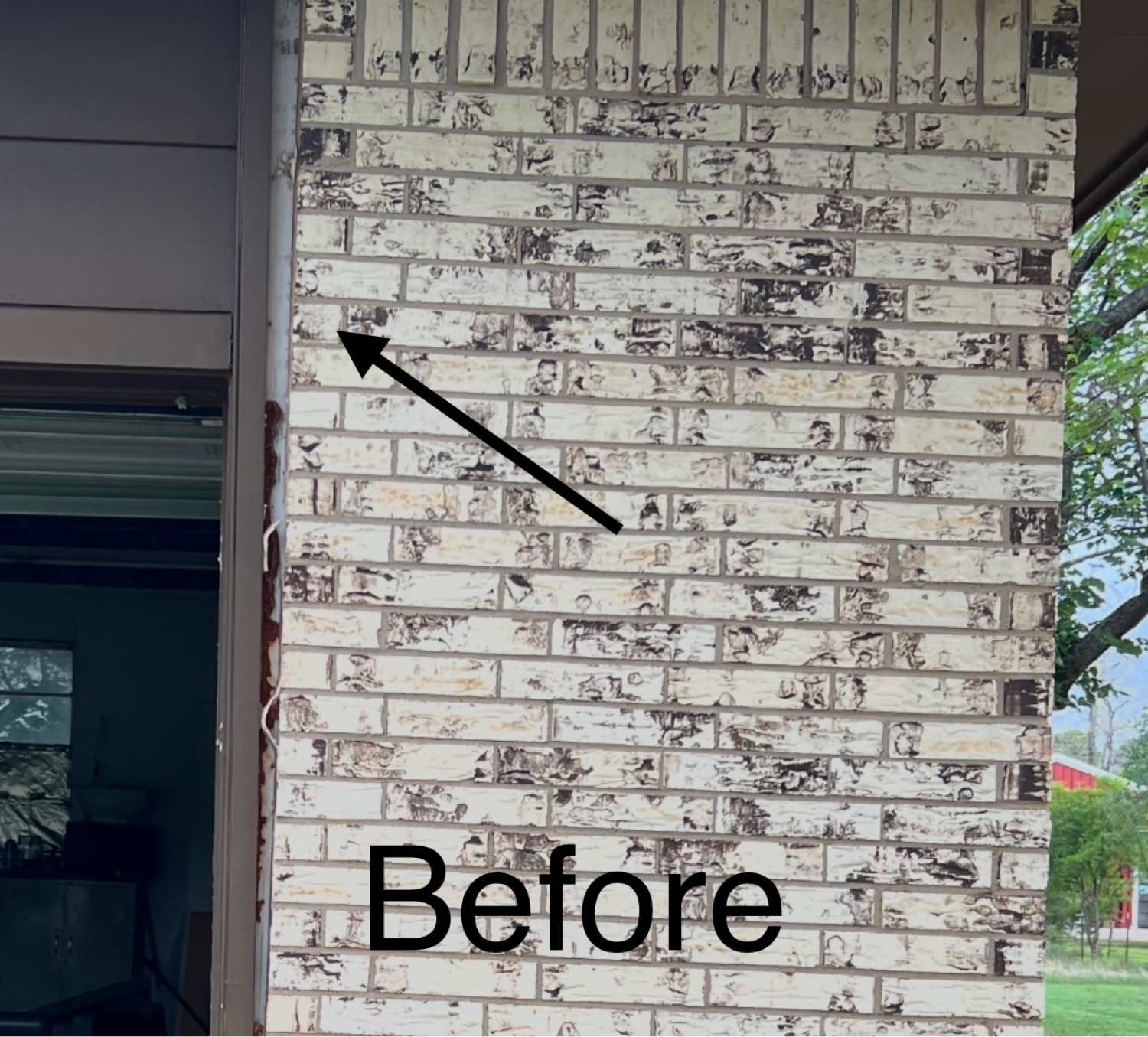
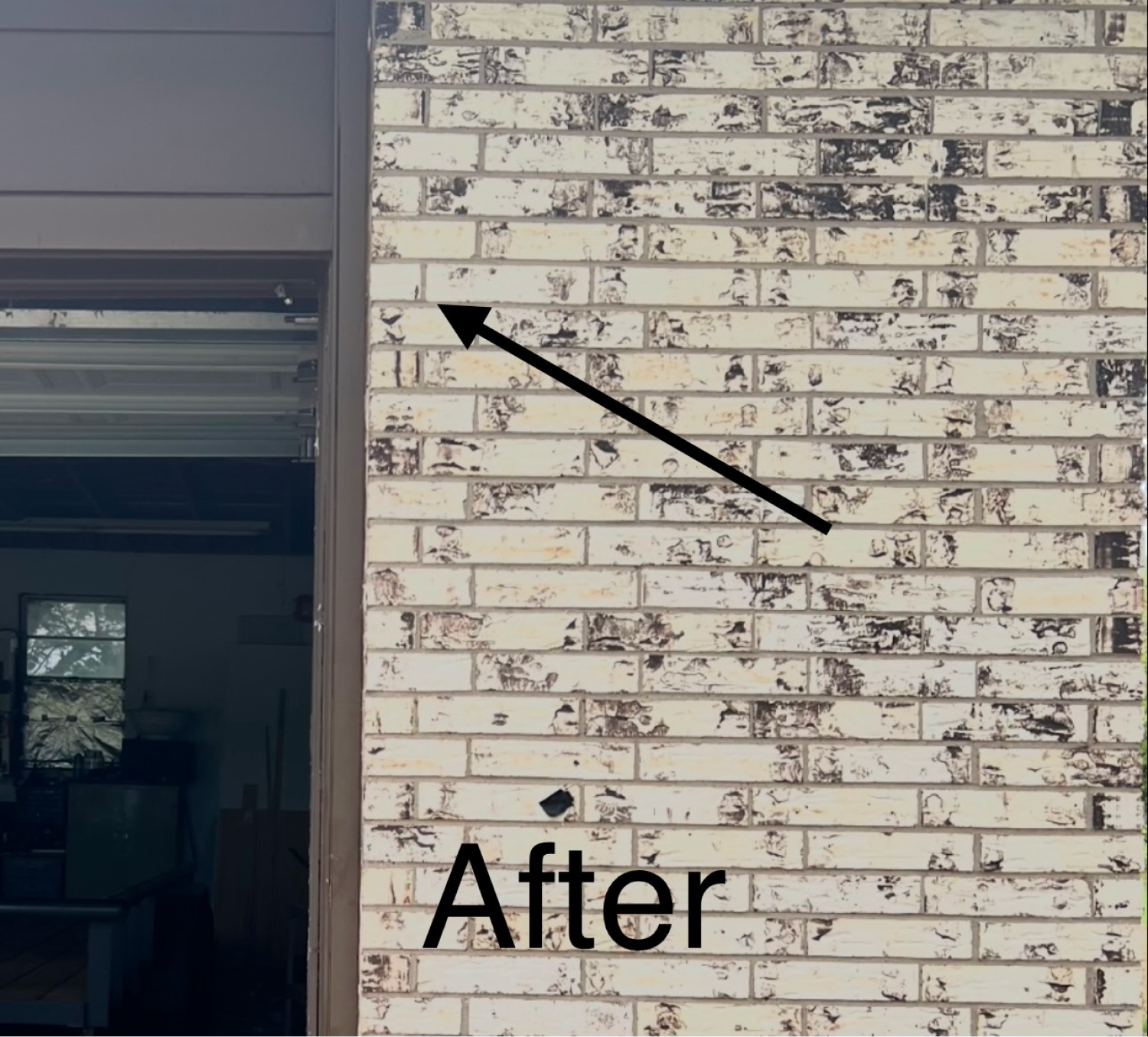
- Brick cracks climbing from the corners of windows and doors, often in a stair-step pattern.
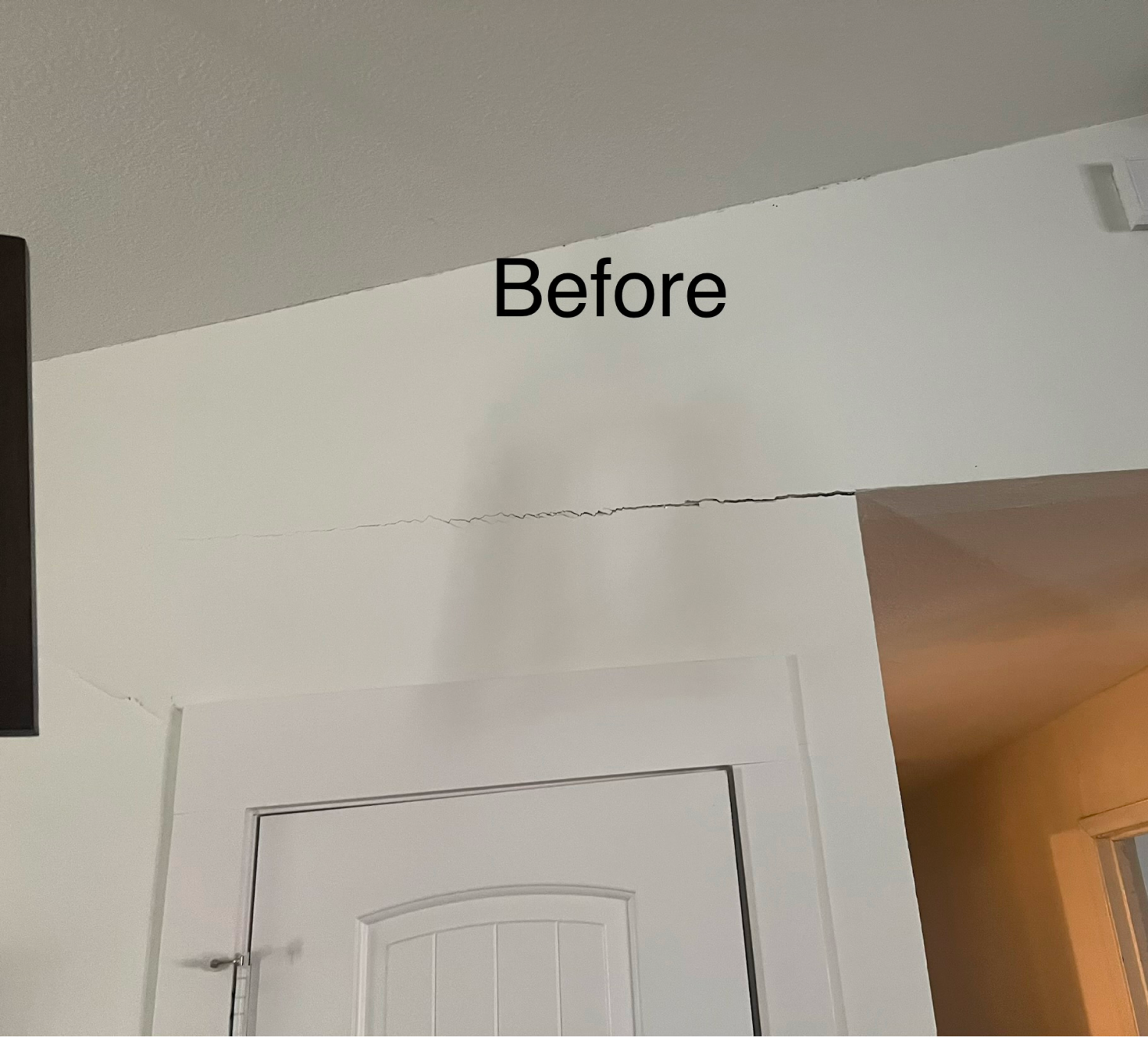
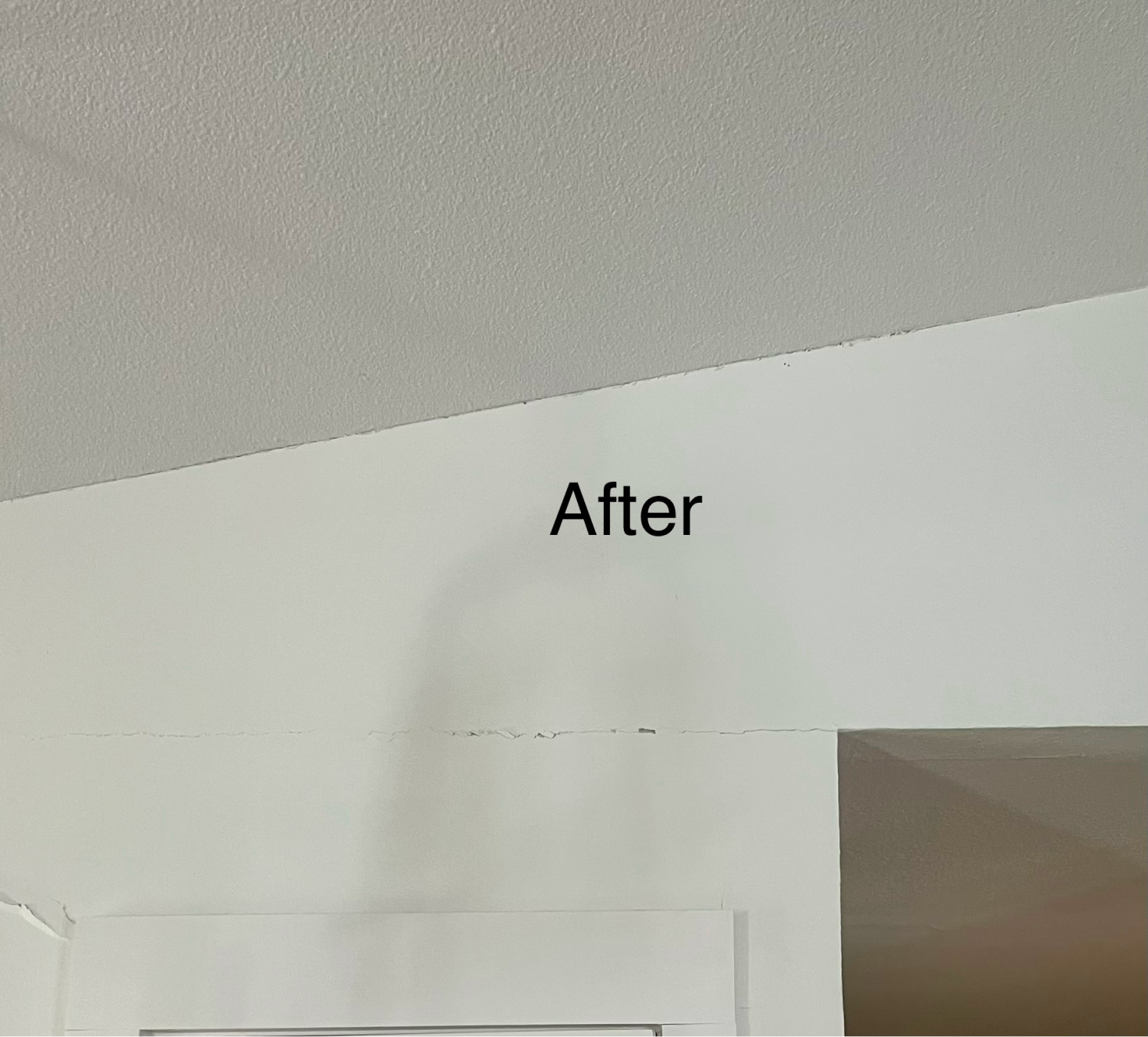
- Sheetrock cracks above interior doorways and along the ceiling line.
- Doors that stick in summer or no longer close flush.
- Separation where trim, counters or brick pull away from the wall.
- Floors that slope or feel uneven as you walk across them.
Caught early these are smaller, cheaper repairs. Left alone the movement keeps stressing plumbing and finishes. Our foundation damage signs page explains each symptom in plain language so you can decide whether it is time for an inspection.
The Dual-Pier System: how we level Fort Worth foundations
For Fort Worth homes we install the Dual-Pier System, which carries the highest load-bearing capacity of any pier we use. We drive two concrete cylinders, set twelve inches apart, down through the unstable surface clay and shale until they reach solid bearing strata. That double support under the beam is what stops the seasonal movement for good, then we lift the structure back toward level. Every repair comes with a third-party engineering report and a lifetime transferable warranty.
Structural engineer William C. Mecke, P.E., describes the dual-pier system as “by far the most structurally sound foundation repair system when compared to steel piers, cable-lock or any other foundation repair system.” For commercial buildings around downtown, the medical district or the south-side retail corridors, our commercial foundation repair uses the same method scaled to heavier loads. And once a home is level, our foundation maintenance guidance helps Fort Worth owners keep it that way.
Homeowners, realtors and investors we help in Fort Worth
Homeowners get a straight inspection and a repair plan in writing, with no pressure to do work that is not needed. Realtors working Fort Worth listings, and we work with a lot of them, can close faster with a documented repair and a warranty that transfers to the buyer. Investors with rental portfolios across the city get consistent, engineered repairs they can stand behind from one property to the next.
Why Fort Worth trusts A-Custom Foundation Repair
A-Custom is a family-owned company that has served Fort Worth and the wider DFW area since 2005. We carry an A+ Better Business Bureau rating and have been BBB-accredited since 2008, and we hold a 4.9-star average across our Google reviews, with a notable share coming from Fort Worth realtors who use us again and again specifically because we are honest about whether a foundation actually needs work. We inspect first, we document everything, and our quotes are always free and in writing before a single pier goes in the ground.
What to expect from your free Fort Worth inspection
An inspection costs nothing and commits you to nothing. A qualified professional measures floor elevations to pinpoint exactly where the foundation has dropped, then reads the whole picture, soil, drainage, grading and the direction the cracks are pointing, before recommending anything. If you need piers, you get the precise scope and price in writing. If you do not, we will say so. It is the same no-scare-tactics process behind the reviews Fort Worth homeowners leave us.
Pier-and-beam and slab homes in Fort Worth
Fort Worth’s older core has a lot of pier-and-beam construction, while most homes built since the 1960s sit on concrete slabs. Both move on our clay, but they show it differently. A pier-and-beam home in Fairmount or Ryan Place may develop bouncy, sloping floors and gaps around the baseboards as the perimeter beam and interior supports settle. A slab home in Wedgwood or on the south side is more likely to crack the brick and bind the doors as one corner drops. We repair both with engineered piers placed exactly where the structure has actually moved, so the fix addresses the real problem rather than masking the symptom, and every job is checked against the third-party engineer’s report before we call it finished.
Fort Worth neighborhoods and nearby cities we serve
We cover Fort Worth broadly, including Tanglewood, Wedgwood, Ryan Place, Fairmount, the TCU area and Western Hills, plus the newer south- and west-side developments. From there we are a short drive to several neighbors, see our pages for foundation repair in Benbrook, Crowley and Burleson, or view every community we serve on our service areas page.
Want a clear answer about your foundation? Request a free quote or call 817-447-4290 and we will come take a look.
★ Proof, not promises
The kind of cracks we fix in Fort Worth
Cracked brick, separated corners and split sheetrock are the visible signs of a moving foundation. Here is the same work, before we arrived and after the Dual-Pier System went in.